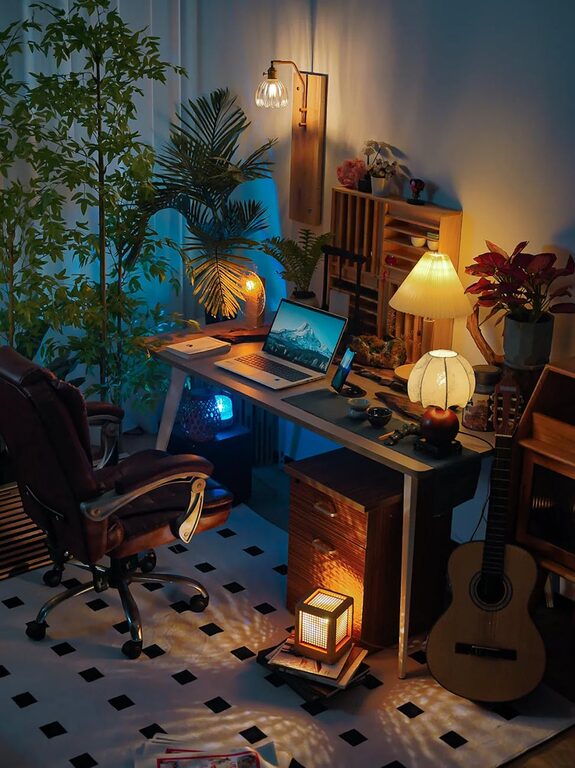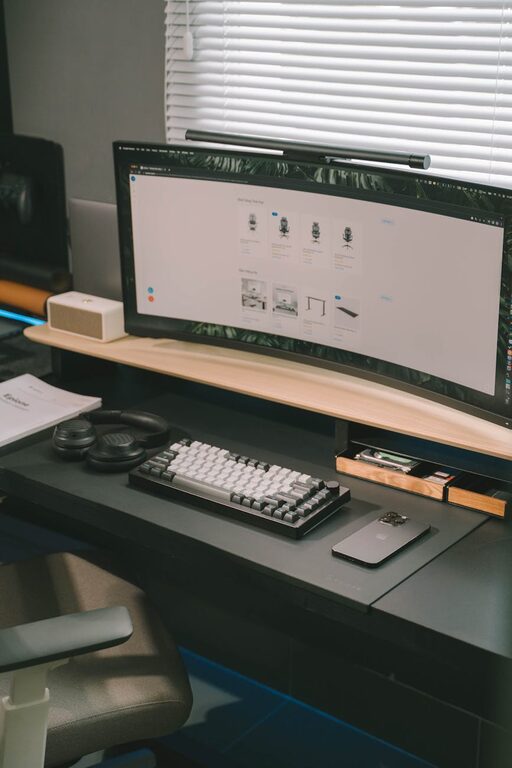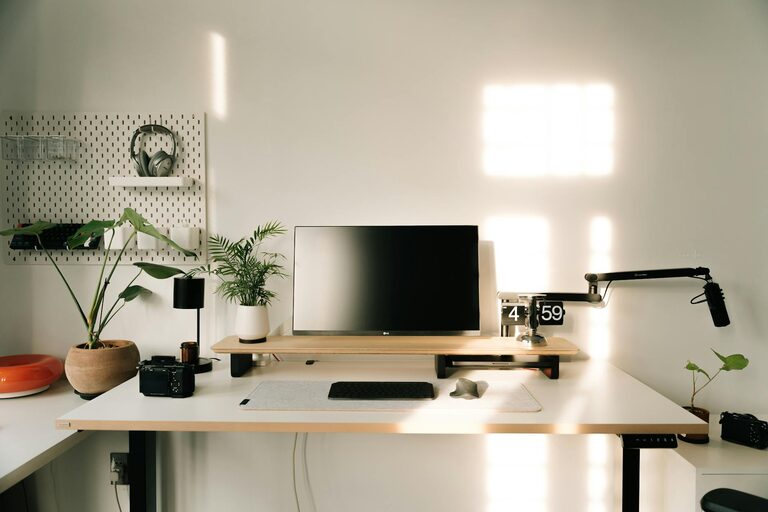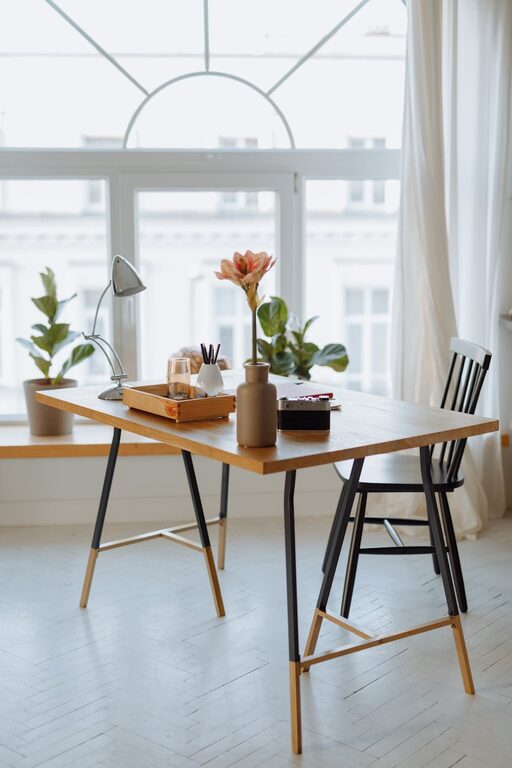

Creating a home office that fosters productivity and creativity is essential for anyone working remotely or managing tasks at home. A well-designed workspace can help reduce distractions, inspire fresh ideas, and keep you motivated throughout the day. In this post, we’ll explore practical tips to create a home office that feels both energizing and comfortable.
1. Choose the Right Location
Finding the ideal spot for your home office is the first step toward maximizing productivity.
– Natural Light: Select a space with ample natural light, if possible. Sunlight boosts mood and energy, making it easier to focus.
– Quiet Area: Try to pick a location away from household noise and distractions.
– Separate Space: If you can, dedicate a specific room or corner strictly for work to create a mental boundary between work and personal life.
2. Invest in Comfortable Furniture
Comfort plays a crucial role in how well you can concentrate and stay creative during long working hours.
– Ergonomic Chair: Choose a chair that supports your back and promotes good posture.
– Adjustable Desk: A desk that adjusts in height allows you to switch between sitting and standing, which can improve energy and reduce fatigue.
– Sufficient Surface Area: Make sure your desk has enough space for your computer, supplies, and any other tools you need.
3. Organize Your Space for Efficiency
A clutter-free workspace helps clear your mind and makes focusing easier.
– Declutter Regularly: Remove unnecessary items from your desk and storage.
– Storage Solutions: Use shelves, drawers, or filing cabinets to keep papers and supplies organized.
– Daily Setup: Before starting your day, set out only what you need for that day’s tasks.
4. Personalize Your Workspace
Adding personal touches can inspire creativity and make your office feel inviting.
– Plants: Indoor plants can improve air quality and create a calming effect.
– Artwork or Photos: Surround yourself with images that motivate or relax you.
– Color Choices: Use colors that help you feel energized—like blues and greens for calmness or yellows and oranges for creativity.
5. Optimize Lighting
Good lighting reduces eye strain and maintains alertness.
– Layered Lighting: Combine natural light with overhead and task lighting to create a balanced environment.
– Adjustable Lamps: Use adjustable lamps to focus light where you need it most, especially for reading or detail work.
– Avoid Glare: Position screens and lights to minimize glare on your computer.
6. Minimize Distractions
Creating a distraction-free zone is key for sustained focus.
– Noise Control: Use noise-cancelling headphones or play soft background music if that helps you concentrate.
– Digital Boundaries: Turn off non-essential notifications and use apps or settings that limit interruptions.
– Clear Rules: If you share your home, communicate your work schedule to household members to reduce interruptions.
7. Incorporate Technology Wisely
Technology should enhance your productivity, not hinder it.
– Reliable Internet: Ensure you have a strong internet connection for video calls and online work.
– Quality Equipment: Invest in a good computer, keyboard, mouse, and webcam.
– Cable Management: Keep cords organized to prevent a messy, distracting environment.
8. Establish a Routine
Your workspace is just one part of the equation; having a routine supports productivity and creativity.
– Set Work Hours: Define specific start and end times to separate work from personal time.
– Scheduled Breaks: Take regular breaks to stretch, hydrate, and refresh your mind.
– Daily Planning: Spend a few minutes outlining your key tasks and goals.
9. Use Inspiring Tools and Supplies
Having the right tools can spark creativity and make work more enjoyable.
– Notebooks and Whiteboards: Write down ideas, brainstorm, and plan visually.
– Creative Apps: Use apps designed for brainstorming, project management, or design.
– Comfort Items: Keep cozy accessories like a soft blanket or stress ball nearby to help you relax when needed.
—
By intentionally designing your home office with these tips in mind, you’ll create a space that not only supports your work but also fuels your creativity. Remember, your home office should reflect your needs and personality, making it a place you genuinely enjoy spending time in. Happy creating!
About the Author