Creating a comfortable and productive home office space is essential for anyone working from home, whether full-time or occasionally. A well-designed workspace not only helps you stay focused but also keeps you motivated and reduces stress. Here are some practical tips to help you set up a home office that supports your best work.
Choose the Right Location
The first step in creating an effective home office is picking the right spot. Ideally, your workspace should be a quiet area, away from the busiest parts of your home. If possible, select a room or corner with a door that you can close to minimize distractions.
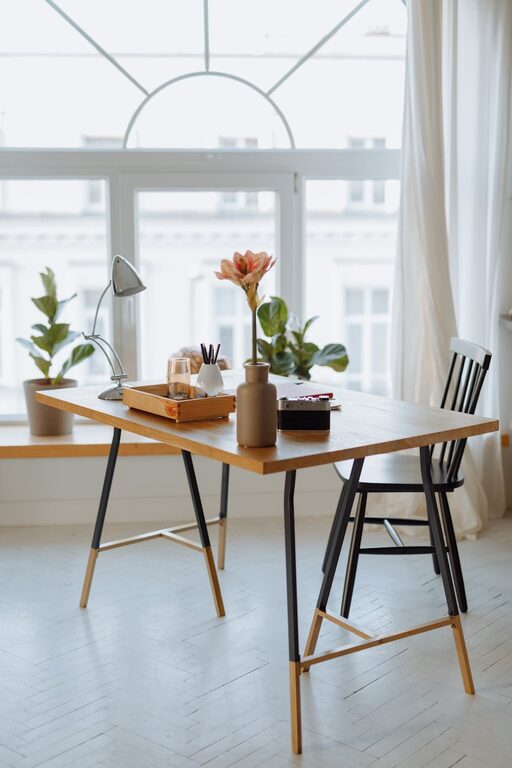
Consider natural light when deciding on your office location. A space near a window will provide daylight, which can improve mood and energy. If natural light isn’t an option, make sure to invest in good artificial lighting to avoid eye strain.
Invest in Comfortable Furniture
Your office furniture plays a big role in your comfort and productivity. Here’s what you should consider:
– Ergonomic Chair: Choose a chair that supports your lower back and encourages good posture. Adjustable height and armrests help customize the fit.
– Functional Desk: Pick a desk that fits your space and allows you to work comfortably. If you prefer standing, consider a desk with adjustable height.
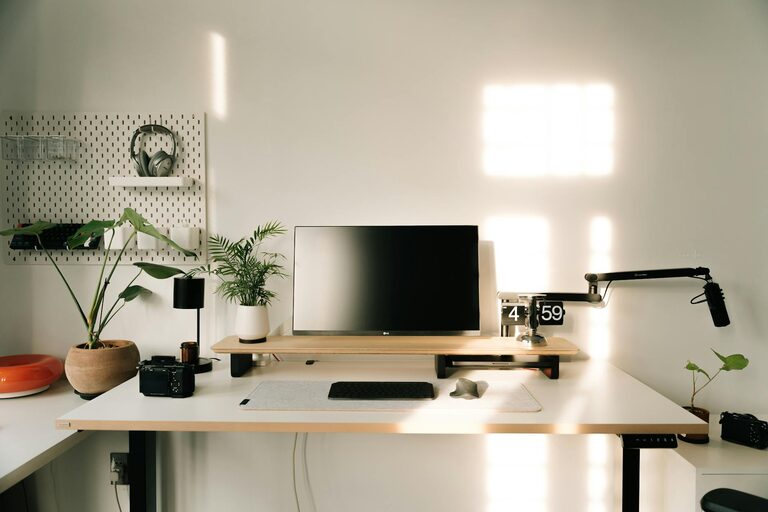
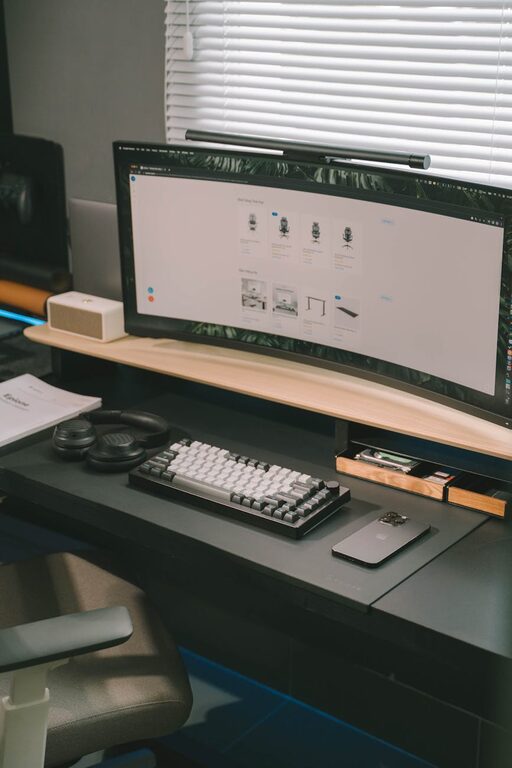
– Monitor Stand or Laptop Riser: Eye level screens reduce neck and shoulder strain.
Remember to arrange your furniture so that you can move freely without feeling cramped.
Organize Your Workspace
A cluttered desk can make it hard to focus. Keep your workspace tidy by:
– Using storage solutions like shelves, drawers, and bins.
– Having only essential items on your desk.
– Implementing a filing system for papers.
– Keeping cables organized with clips or ties.
Regularly declutter your office to maintain a clean environment that encourages productivity.
Personalize Without Overdoing It
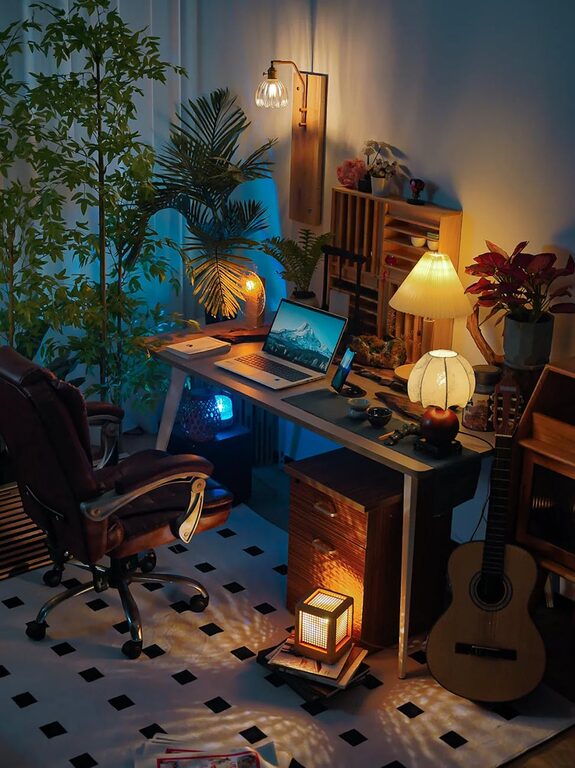
Adding personal touches can make your home office more inviting and inspiring. Display a few favorite photos, plants, or artwork. Choose colors and decor that you find calming and motivating.
Avoid overcrowding the space with too many items, as this can become distracting rather than helpful.
Optimize Lighting
Proper lighting is key to reducing eye strain and creating a comfortable atmosphere. Combine ambient lighting with task lighting:
– Use overhead lights to brighten the room evenly.
– Add a desk lamp for focused lighting on work tasks.
– Use bulbs that mimic natural daylight to keep your energy up.
Adjust window coverings to control glare from the sun.
Minimize Noise and Distractions
Noise can easily disrupt your concentration. Here are ways to create a quieter environment:
– Use noise-canceling headphones or white noise machines.
– Add rugs or curtains to absorb sound.
– Communicate your work hours to family members or roommates for uninterrupted time.
If your home is noisy, consider locations with fewer distractions or create a dedicated space that shields sound.
Set Up Technology Efficiently
Having reliable technology is critical for productivity. Ensure your home office has:
– A fast and stable internet connection.
– Charging stations for devices.
– Adequate outlets and surge protectors.
– Essential peripherals like a keyboard, mouse, and headset.
Test your equipment regularly to prevent technical hiccups during important work.
Create a Routine and Boundaries
A comfortable home office is about more than just the physical setup. Establish a daily routine to separate work from personal life:
– Set specific work hours.
– Take regular breaks away from your desk.
– Use the space only for work to build a mental distinction.
Clear boundaries help your mind switch between work and relaxation, improving overall well-being.
Incorporate Plants and Natural Elements
Adding plants can boost mood and air quality. Choose low-maintenance varieties like pothos, succulents, or snake plants. Natural elements create a refreshing environment and reduce stress.
Keep Supplies Within Reach
Having office essentials close by saves time and keeps your workflow smooth. Stock frequently used items like pens, notebooks, and chargers in easily accessible spots.
Regularly Evaluate and Adjust
Your needs may change over time. Periodically assess your home office setup and make improvements as necessary. Small tweaks like repositioning your desk, upgrading your chair, or adding new storage can make a big difference.
—
By thoughtfully designing your home office, you create a space that supports comfort and productivity. Follow these tips to enhance your work-from-home experience and enjoy the benefits of a well-crafted workspace.
About the Author