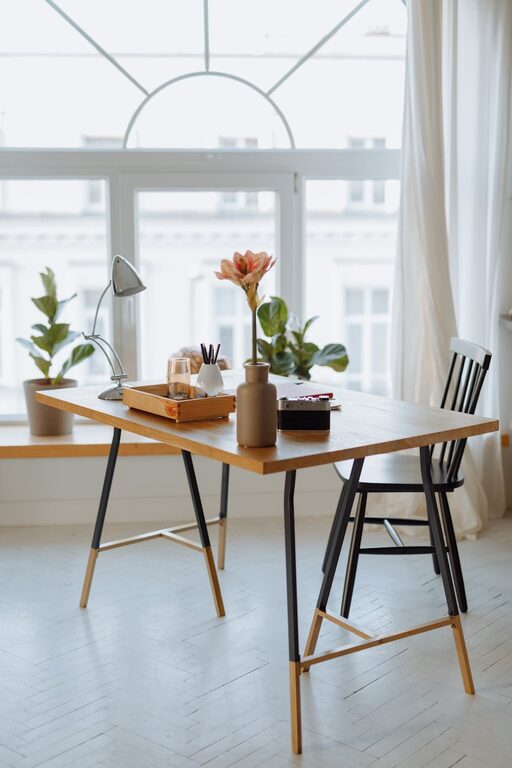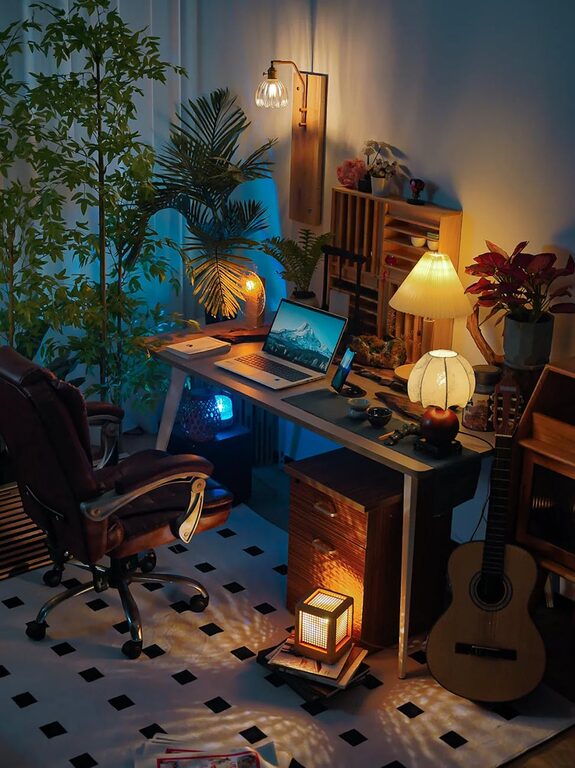
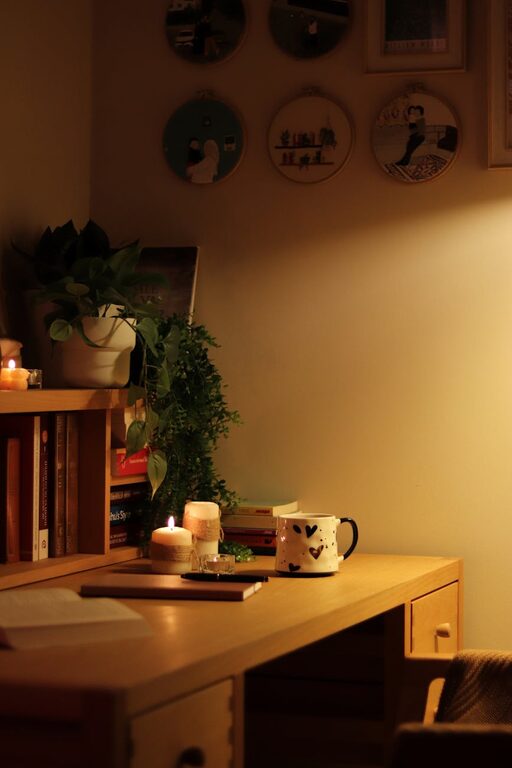
Creating a relaxing home workspace is essential for anyone who works from home or spends considerable time at a desk. A calm and organized environment not only improves your focus but also helps reduce stress and maintain a healthy work-life balance. Whether you’re setting up a new office corner or refreshing an existing one, these tips will help you create a soothing and productive space right in your home.
Why a Relaxing Workspace Matters
Your workspace affects how you feel and work. Clutter, poor lighting, and uncomfortable furniture can lead to distractions, discomfort, and even burnout. On the other hand, a thoughtfully designed area encourages concentration, creativity, and well-being. When your workspace feels inviting, it’s easier to settle into work and stay motivated throughout the day.
Choose the Right Spot
Natural Light is Key
Try to position your workspace near a window. Natural light can boost your mood and help reduce eye strain. If natural light isn’t an option, opt for warm, adjustable lighting that mimics daylight. Avoid harsh overhead fluorescents; instead, use desk lamps or floor lamps for softer illumination.
Minimize Distractions
Select a quiet area away from high-traffic zones like the kitchen or living room. If that’s not possible, consider room dividers or noise-canceling headphones to create a sense of separation from household activities.
Invest in Comfortable Furniture
Ergonomic Chair and Desk
Comfort is crucial to avoid physical strain. A supportive ergonomic chair with adjustable height and lumbar support will keep your posture healthy. Your desk should allow you to work with your elbows at a 90-degree angle and feet flat on the floor or a footrest.
Keep Essentials Within Reach
Arrange your desk tools and supplies so you don’t have to stretch or get up frequently. This simple step minimizes interruptions and keeps you focused.
Organize and Declutter
Use Storage Solutions
Clutter can be a major stressor. Use shelves, drawers, and organizers to keep documents, cables, and office supplies tidy. Label containers to make finding things easier.
Clear Your Desk Daily
Make it a habit to tidy your workspace at the end of each day. A clean desk helps your mind feel calm and ready for the next work session.
Incorporate Calming Elements
Add Greenery
Plants improve air quality and introduce a touch of nature, which can reduce stress. Choose easy-to-care-for plants like succulents or snake plants if you’re new to gardening.
Use Soothing Colors
Soft, neutral tones like light blues, greens, and grays promote calmness. You can incorporate these through wall paint, décor, or accessories like rugs and cushions.
Personalize to Inspire
Display Motivational Items
Photos, quotes, or artwork that inspire you can boost morale. Just be careful not to overcrowd your space.
Include Sensory Comforts
A small diffuser with essential oils, a cozy throw blanket, or noise-masking devices can create a pleasant atmosphere that supports focus and relaxation.
Manage Technology Wisely
Cable Management
Tidy cables prevent tangling and visual clutter. Use clips, sleeves, or boxes to bundle and hide wires.
Limit Notifications
Turn off unnecessary device notifications during focused work periods to minimize distractions.
Create a Routine and Boundaries
Set Work Hours
Having clear start and end times helps separate work from personal life, especially when working from home.
Take Regular Breaks
Stand up, stretch, or take a short walk every hour. Breaks refresh your mind and body, supporting long-term productivity.
Conclusion
Designing a relaxing home workspace takes some thought and effort, but the benefits are worth it. By choosing the right location, investing in comfort, reducing clutter, and adding calming touches, you can create a space that supports your work and well-being. Remember, your workspace should feel like a positive oasis where focusing and creativity come naturally. Take small steps today to transform your work environment into a relaxing haven.
About the Author