Creating a relaxing home workspace is essential for maintaining productivity and comfort during your work hours. Whether you’re working remotely full-time or just occasionally, a well-designed workspace can help reduce stress and keep you focused. Here are some useful tips to help you set up a soothing and efficient area in your home.
Choose the Right Location
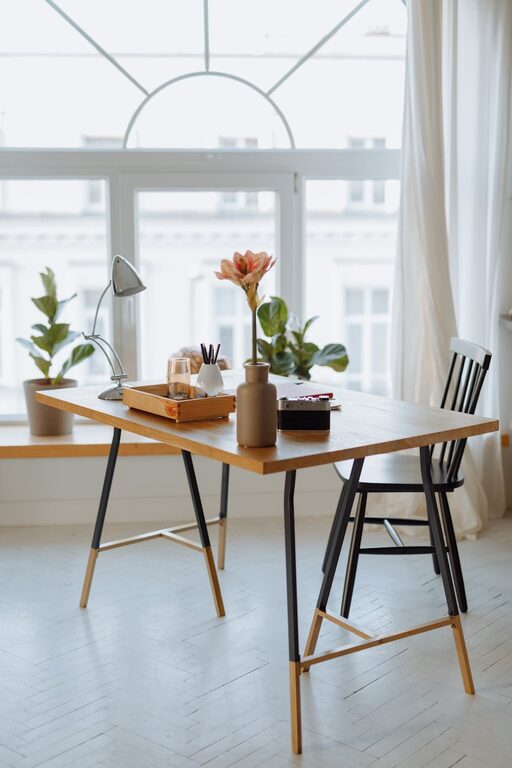
Start by selecting a space in your home that’s quiet, has good natural light, and is free from distractions. Ideally, this should be a dedicated spot that you associate solely with work. Avoid spaces near loud appliances or high-traffic areas to maintain concentration.
Prioritize Ergonomic Furniture
Comfortable furniture is key for long hours of work. Choose a desk and chair that support good posture to prevent aches and pains:
– Chair: Look for adjustable height and lumbar support.
– Desk: Ensure it’s at a height that allows your arms to rest comfortably while typing.
– Footrest: Consider adding one if your feet don’t touch the ground.
Investing in ergonomic furniture can make a significant difference in your comfort and productivity.
Optimize Lighting
Good lighting reduces eye strain and boosts alertness. Use natural light whenever possible by positioning your desk near a window. Supplement with soft, adjustable desk lamps to maintain consistent brightness:
– Avoid harsh overhead lighting.
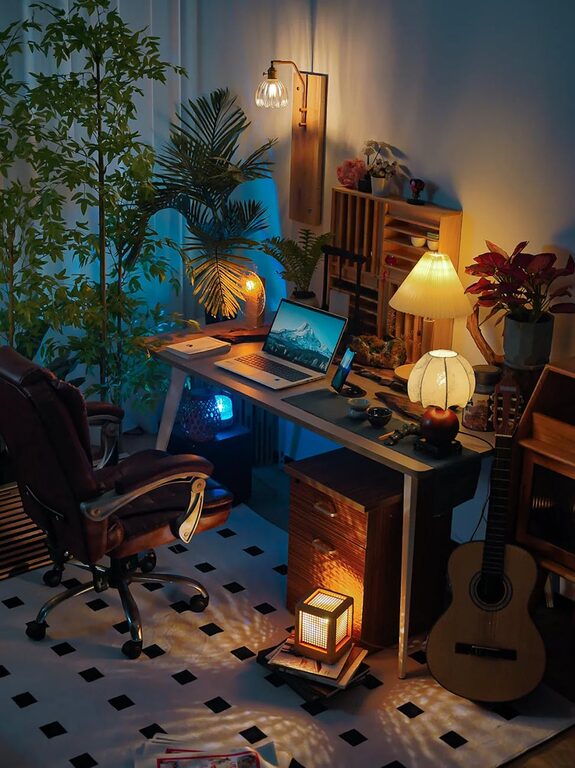
– Use warm light tones for a cozy feel.
– Position lights to avoid screen glare.
Keep Your Workspace Organized
A cluttered desk can increase stress and reduce productivity. Use storage solutions like shelves, drawers, or baskets to keep your tools and documents neatly arranged:
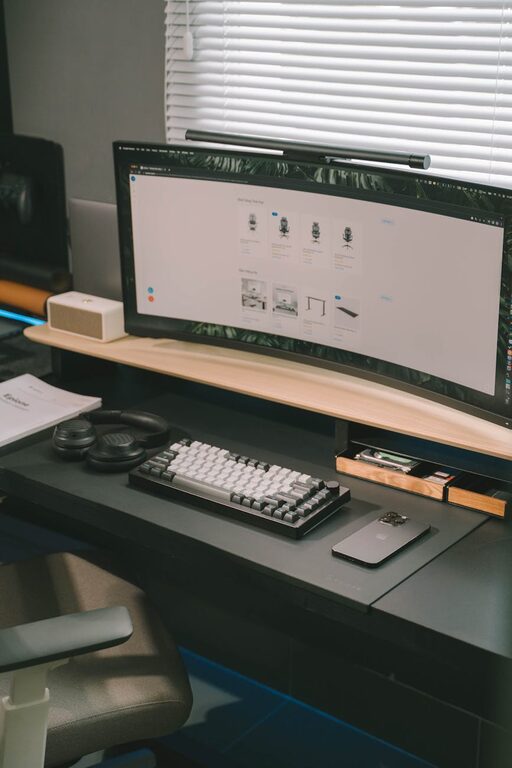
– Use cable organizers to manage cords.
– Keep frequently used items within arm’s reach.
– Declutter regularly, removing unnecessary items daily or weekly.
An organized workspace invites calm and helps maintain focus.
Add Personal Touches
Incorporating personal items can make your workspace feel inviting and comfortable without being distracting. Consider:
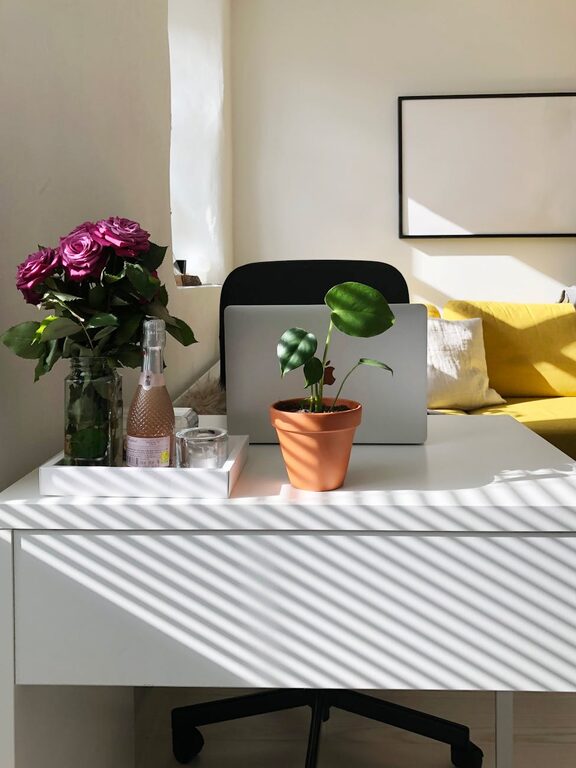
– Small plants to add greenery and improve air quality.
– Photos or artwork that inspire you.
– Scented candles or essential oil diffusers with calming scents such as lavender.
These touches can make your workspace feel like a pleasant place to spend time.
Use Color Wisely
Colors can influence mood and productivity. Choose soft, neutral colors to create a relaxing atmosphere. If you prefer brighter hues, use them as accents rather than the main color to avoid overstimulation. Blues and greens are often associated with calmness and focus.
Incorporate Break Areas
It’s important to take breaks to maintain mental clarity. If space allows, set up a small area near your workspace for stretching or meditation. Even a comfortable chair or cushion for short breaks can help reset your focus throughout the day.
Set Boundaries and Maintain Routine
Finally, creating a relaxing home workspace also means setting clear boundaries around your work hours and environment:
– Use visual cues to mark your workspace.
– Start and end your day with rituals such as tidying your desk.
– Avoid working in bed or lounging areas.
These habits help signal your brain when it’s time to work and when to relax.
—
By following these tips, you can create a home workspace that balances comfort and productivity, making your work-from-home experience more enjoyable and efficient. A relaxed environment empowers you to focus better, reduce fatigue, and stay motivated throughout the day.
About the Author